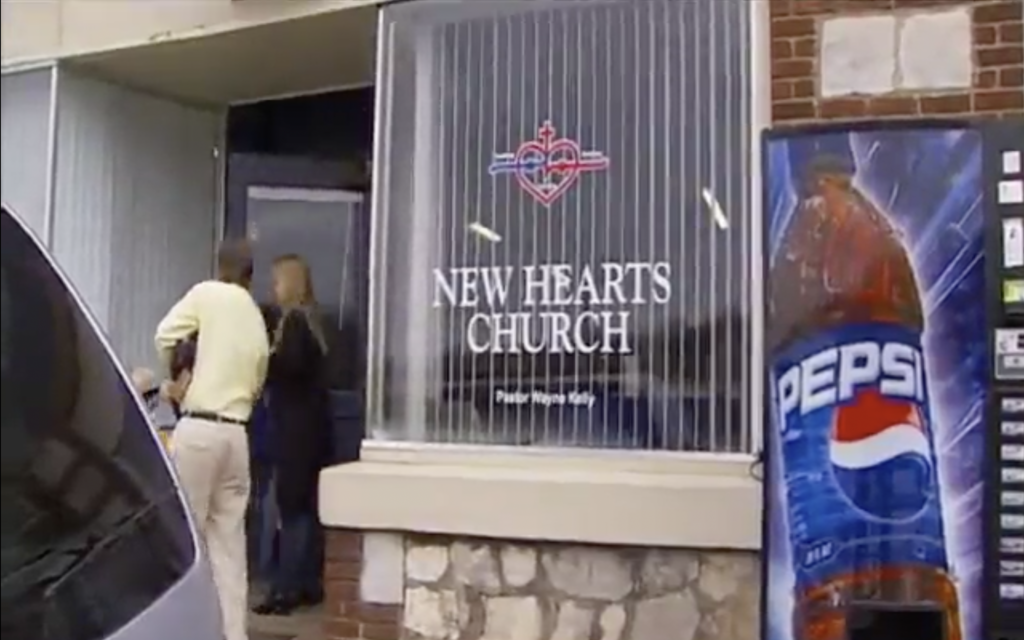
In his documentary, Banished, Marco Williams highlights the town of Harrison, Arkansas. Throughout his documentary, Williams provides space for people with differing ideas to voice their thoughts. Within Harrison, he starts off by highlighting Pastor Wayne Kelly and his goals to connect race relations in response to Harrison’s racist history. Kelly asks the question “How do you work with a race thats not there in your community?” But the solution he offered was to start with themselves, and thats what he did. The town started a National Day of Prayer to repent for the treatment of Black people that lived in Harrison in past generations. Within this storyline, Williams also includes an anecdote about a Black football player from a junior high school in Fayetteville who faced unimaginable trauma during a trip to Harrison for a football game. While the football game itself was mentally discouraging, with folks yelling racial slurs at the football player and the Harrison team refusing to shake hands after, but what happened after the game should illustrate why there needs to be change. The Fayetteville parents took the players to get dinner before their drive back. This game happened to fall around Halloween, so when someone walked in dressed as a ghost, the Black football player was so terrified he ran to the bathroom. A local Fayetteville parent and George Holcomb, a reporter for Harrison Daily Times, shared this story during the documentary. By sharing these stories and interviews, it not only shows outsiders that not everyone living in these towns have racist beliefs, but it can spark motivation for others to make a change as well.
This idea of encouraging others coincides with Angela Aguayo’s idea in her book, Documentary Resistance, that “Instead of providing escape, these motion pictures engaged audiences with the political power of novel representations, riveting viewers with reflections of daily life that could compel hearts, change minds, and give spectators a motivation to act.” By including stories of locals trying to make changes in their community without bashing anyone, but rather uplifting everyone, could be the clip someone needs to see to change their views and practices in regards to treating others with different identities.

Leave a Reply